

Why Office Lighting Matters More Than You Think
Lighting is one of those things we don't always notice when it's done well. Get it wrong, however, and it can affect everything from how comfortable a workspace feels to how easy it is to read a screen or whiteboard.
As offices become more thoughtfully designed, lighting is playing an increasingly important role. Natural light, overhead lighting and carefully positioned lamps can all help create a workspace that feels comfortable and works well throughout the day.
But there's another consideration when planning an office: reflection.
Making the Most of Natural Light
Natural light is one of the most desirable features in a workplace. Large windows can make an office feel brighter, more open and more welcoming, while providing the benefits of daylight throughout the working day.
However, plenty of natural light can also create challenges.
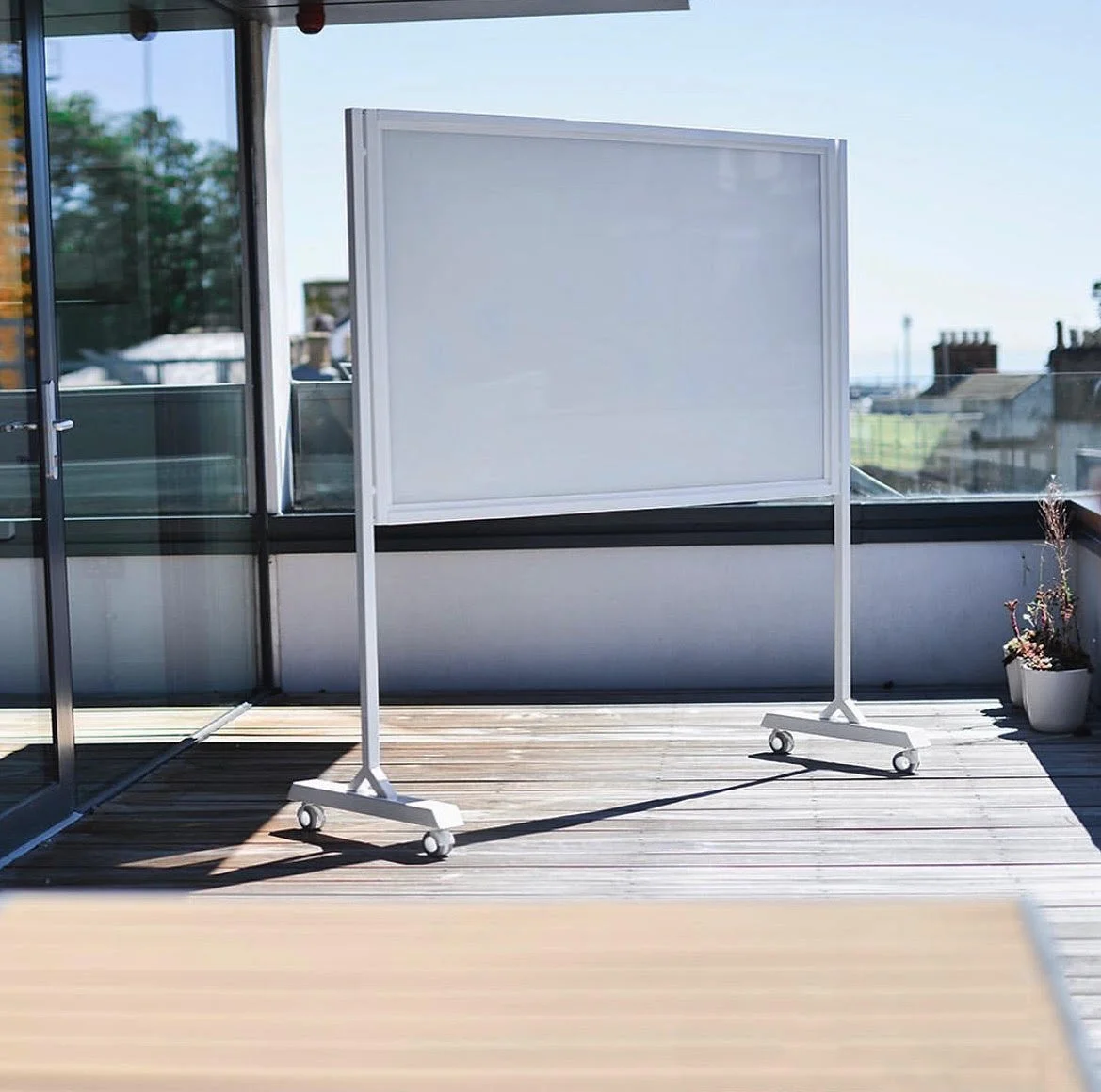
Depending on where desks, screens and writable surfaces are positioned, sunlight coming through windows can create glare and reflections. This can make it difficult to see what's written on a whiteboard, particularly if the board is positioned directly opposite a window.
Good office design isn't necessarily about reducing natural light; it's about considering how that light moves through the space and how different surfaces will react to it.
What About Office Lighting?
It's not just sunlight that can cause reflections.
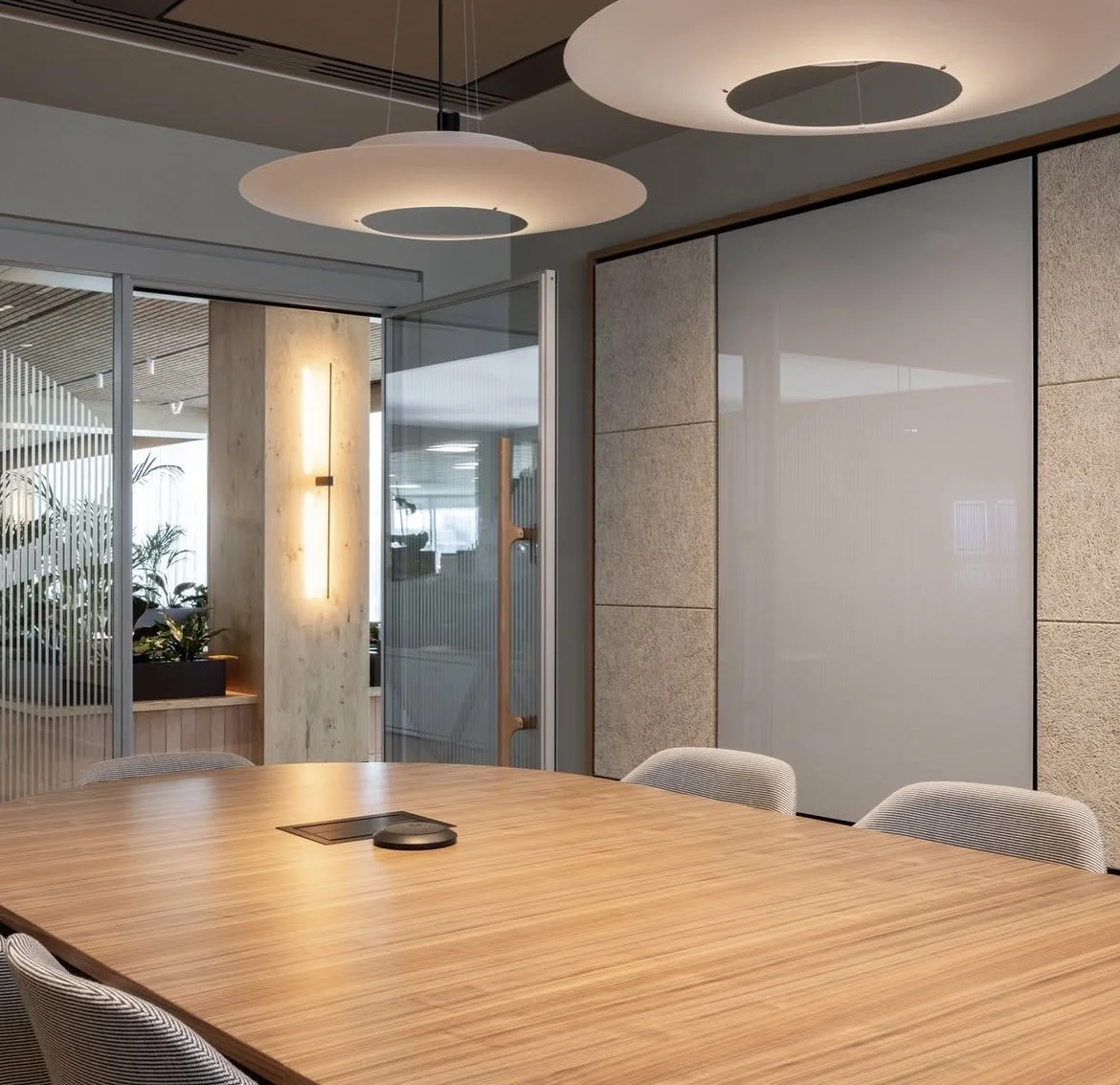
Overhead lighting, pendant lights and other office fixtures can all reflect from smooth surfaces, particularly when they're positioned directly above or in front of a glass board.
This is one reason why the positioning of meeting rooms, lighting and writable surfaces is worth considering together during an office refurbishment or fit-out.
A board that looks perfect in one office may behave differently when it's installed in a bright meeting room with large windows and multiple light sources.
Choosing the Right Glass Finish
Glass is naturally reflective, which is one of the reasons gloss glass whiteboards have such a clean, bright appearance.
For many spaces, this works perfectly. But if you're working with a particularly bright room, lots of natural light or a board positioned opposite a window, a matt finish can be a better choice.
Our matt glass whiteboards are designed with a non-reflective surface, helping to minimise glare from windows and artificial lighting while maintaining a smooth, practical writing surface.
This makes matt glass particularly popular for meeting rooms, boardrooms and offices with large windows or strong overhead lighting. You can read more about the differences between our matt and gloss boards here.
Think About the Whole Space
Lighting shouldn't be considered in isolation. The position of furniture, screens, windows, meeting tables and writable surfaces can all affect how comfortable a room is to use.
When planning a new workspace or refurbishment, consider:
Where does natural light enter the room?
Will the whiteboard be positioned opposite a window?
Where are the main overhead light sources?
Could reflections make the board difficult to read?
Would a matt finish work better than gloss?
How will the space be used throughout the day?
Thinking about these details at the planning stage can help avoid problems once the space is finished.
A Small Detail That Makes a Big Difference
Good workplace design is often about getting the details right.
Choosing the right lighting, positioning it carefully and selecting materials that work with the environment can make a space more comfortable and functional without compromising on its overall appearance.
And when it comes to glass whiteboards, the choice between matt and gloss isn't simply about aesthetics. For brighter spaces, a matt finish can help reduce unwanted reflections and make the board easier to use throughout the day.
If you're planning a new office, meeting room or refurbishment and aren't sure which glass finish would work best, get in touch with our team. We'd be happy to talk through your space and help you choose the right solution.