

How Workplace Design Influences Creativity
The modern workplace is no longer simply a place to work. Increasingly, organisations are designing environments that inspire creativity, encourage collaboration and support the way their teams think, learn and communicate.
While technology continues to play an important role in how we work, the physical environment remains one of the biggest influences on productivity, innovation and idea generation. From colour choices and layout to furniture and collaborative tools, every design decision contributes to the overall experience of a workspace.
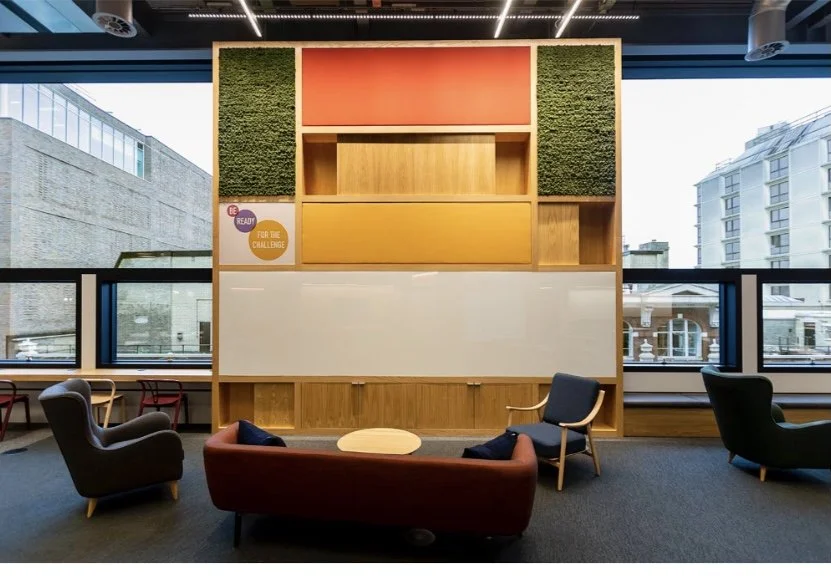
Creating Spaces That Encourage Ideas
Creativity rarely thrives in environments that feel restrictive or uninspiring. As a result, many businesses are moving away from rows of identical desks and formal meeting rooms in favour of more flexible, collaborative spaces.
Breakout areas, project zones and informal meeting spaces allow teams to share ideas more naturally, encouraging spontaneous conversations and creative problem-solving. These environments are designed to bring people together and create opportunities for collaboration that often don't happen through online communication alone.
The Power of Visual Thinking
For many people, creativity is a visual process.
Whether brainstorming ideas, mapping out a project or planning future objectives, having the ability to capture and share thoughts visually can help teams organise information and develop ideas more effectively.
This is one reason why writable surfaces continue to play an important role within modern workplaces. Large writing areas provide teams with the freedom to sketch, plan, collaborate and refine ideas in real time, creating a shared space where thinking becomes visible.
Colour, Light and Wellbeing
The colours and materials used throughout a workspace can also influence how people feel and perform.
Current workplace design trends favour softer, more considered colour palettes that promote focus and wellbeing, while carefully planned lighting helps create comfortable environments that support concentration throughout the day.
Many organisations are choosing products and finishes that complement these design schemes rather than interrupt them, ensuring that practical workplace tools feel integrated into the overall aesthetic.
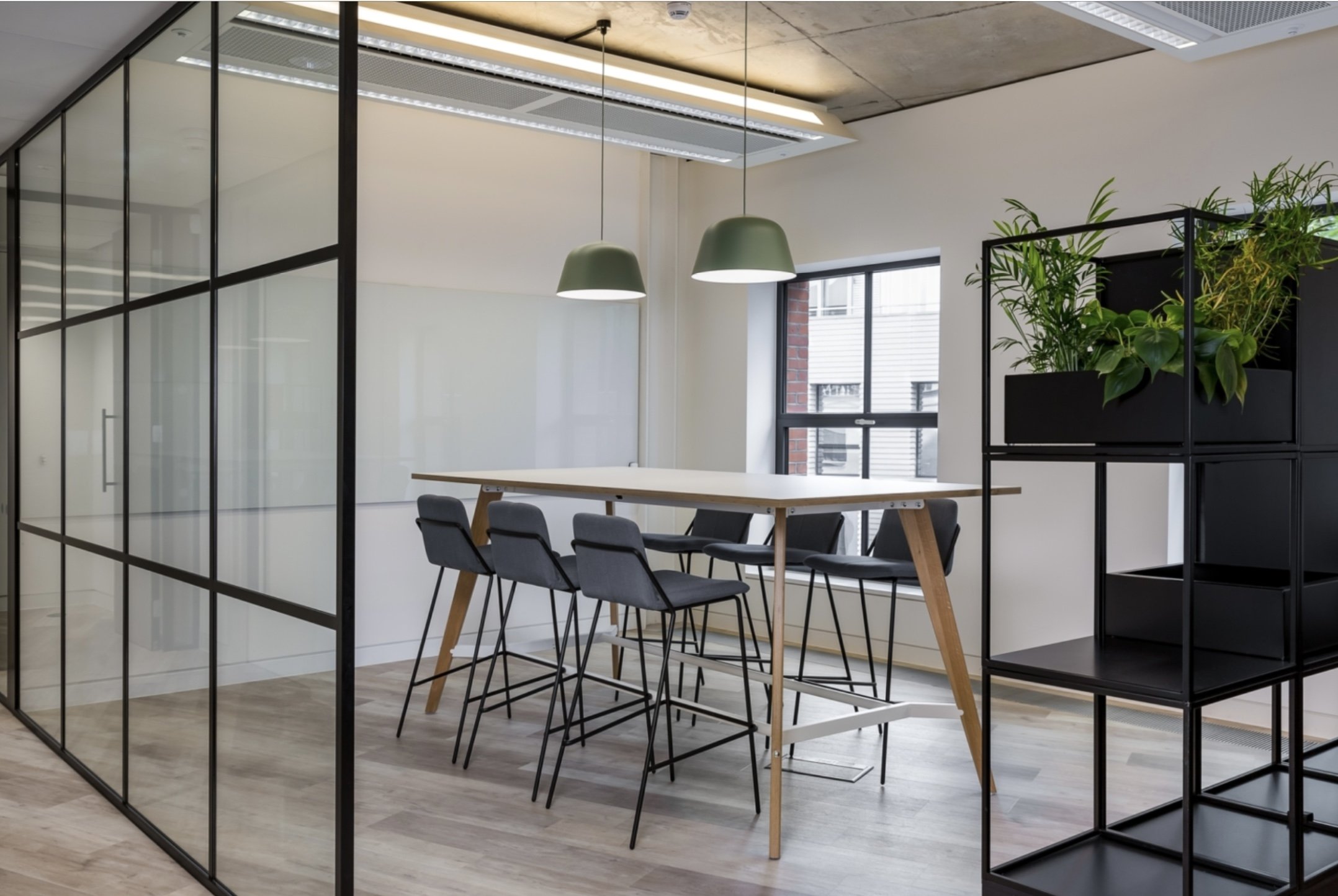
Designing for Collaboration
As hybrid working continues to evolve, the office is increasingly becoming a destination for collaboration rather than individual focused work.
Businesses are investing in spaces that support workshops, project planning, team meetings and creative discussions, ensuring employees have access to environments that encourage interaction and knowledge sharing.
Flexible solutions such as mobile furniture, adaptable layouts and collaborative workspaces allow organisations to make the most of their office footprint while creating environments that genuinely support how teams work today.
Bringing Function and Design Together
The most successful workplaces combine functionality with thoughtful design.
When practical tools are considered as part of the overall workspace aesthetic, they become more than simple workplace accessories; they become part of the environment itself.
Bespoke glass whiteboards are increasingly being specified as part of this approach, providing a surface for collaboration while also complementing interior design schemes through custom sizes, colours, branding and printed layouts.
Creating Spaces That Inspire
There is no single formula for creativity, but thoughtful workplace design can help create the conditions where great ideas are more likely to emerge.
By combining flexible layouts, collaborative tools and carefully considered design choices, organisations can create workspaces that support innovation, communication and creativity at every level.
If you're planning a workplace refurbishment or exploring ways to enhance collaboration within your space, our team would be happy to discuss how bespoke glass whiteboards can support your project - get in touch today to discuss your ideas.